Trientine vs Penicillamine: Key Differences in the Treatment of Wilson's Disease
Wilson's disease is a rare, inherited condition of copper metabolism. It requires lifelong treatment. If left untreated, excess copper accumulates in organs like the liver and brain. This leads to progressive and potentially life-threatening complications.
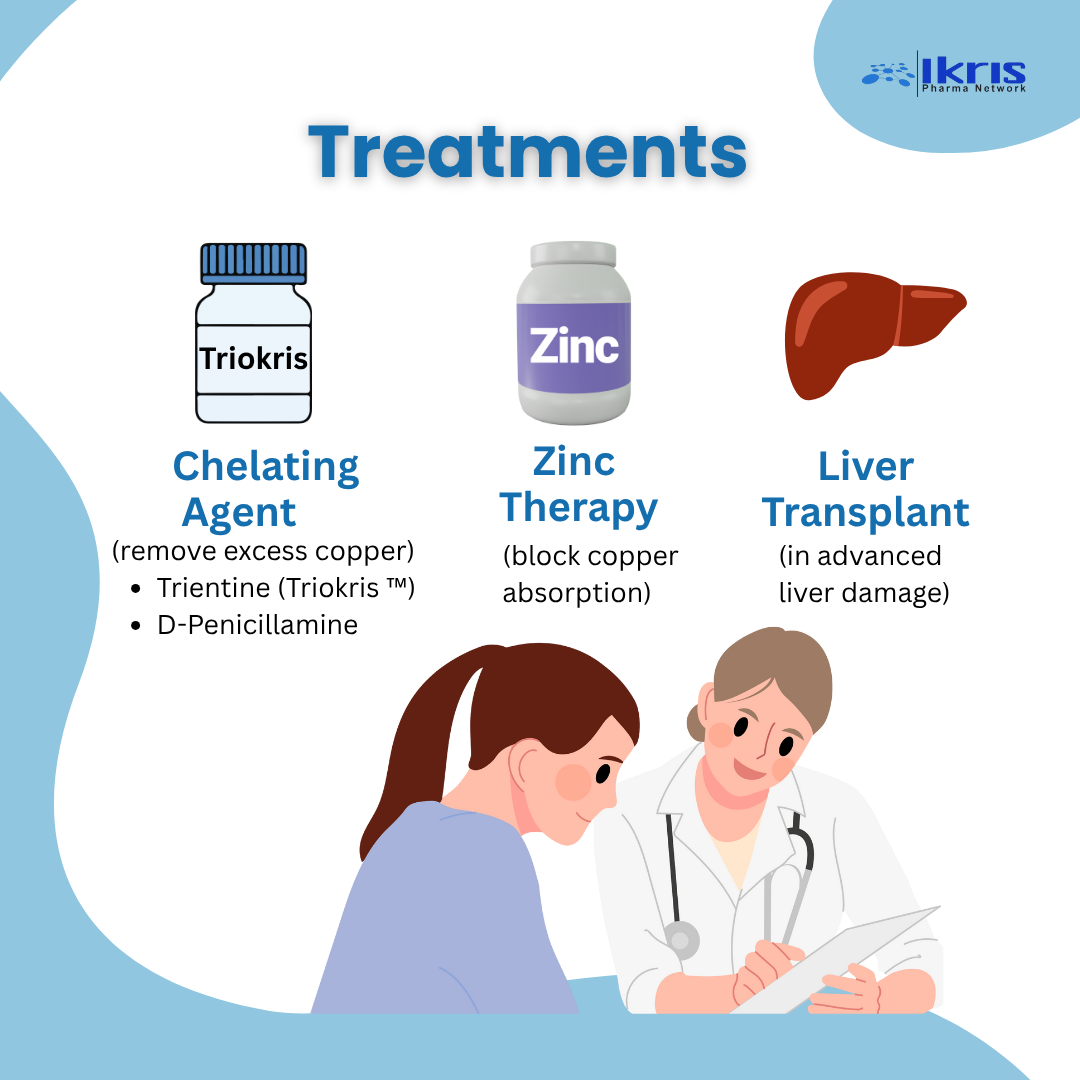
Chelation therapy remains the primary treatment. Penicillamine and trientine are the two most widely used chelating agents. Patients and caregivers often search for clarity on trientine vs penicillamine, particularly when side effects, tolerability, or treatment adherence become concerns.
Overview of Chelation Therapy in Wilson's Disease:
Wilson's disease causes impaired biliary copper excretion because of mutations in the ATP7B gene. As a result, copper accumulates continuously unless it is actively removed.
Chelation therapy works by:
-
Binding free copper in the bloodstream
-
Increasing urinary copper excretion
-
Preventing further damage to tissues
Because Wilson's disease is chronic, treatment with a chelating agent is generally long-term or lifelong. Safety, tolerability, and adherence are important factors in selecting a treatment.
What Is Penicillamine?
For countless years, Penicillamine has been the most used treatment for patients with Wilson's disease.
Mechanism of Action: Penicillamine binds to copper, thereby lowering urine copper levels and decreasing copper levels in the body.
Clinical Use:
-
Most times, Penicillamine is used for the initial copper removal.
-
It is even more useful for patients with more copper in their bodies
-
It has been tested and used for a long time.
Limitations of Penicillamine:
Despite its promising effect, penicillamine is associated with greatly disturbing side effects, which may limit long-term use.
Commonly reported effects include:
-
Skin reactions
-
Renal complications
-
Bone marrow suppression
-
Autoimmune-like reactions
-
Gastrointestinal intolerance
Because of side effects, patients and their doctors have been searching for a replacement when the side effects of Penicillamine become troublesome.
What Is Trientine?
Trientine is a well-known copper chelator. It is an alternative to penicillamine for treating Wilson's disease. This chelating agent has been used across the world for over 30 years.
Mechanism of Action: Trientine, similar to penicillamine, binds to excess copper that is in the body and facilitates increased excretion of copper in the urine, thereby decreasing the toxic copper overload.
Clinical Role:
-
Used in those who have had difficulties in tolerating penicillamine
-
Suitable for long-term maintenance therapy
-
Frequently chosen when safety and adherence are priorities
Long History of Use: Trientine’s extensive clinical history has provided valuable findings on its long-term safety profile. This makes it a trusted therapeutic option in chronic management cases.
Major Differences Between Trientine and Penicillamine:
Knowing the differences between trientine and penicillamine helps tailor treatment as per individual patient needs.
1. Tolerability:
-
Penicillamine: Higher incidence of side effects
-
Trientine: Generally better tolerated
2. Side-Effect Profile:
-
Penicillamine is related with immune-mediated and renal side effects
-
Trientine has fewer reported severe systemic reactions
3. Long-Term Adherence: Because Wilson disease requires lifelong therapy:
-
Patients on trientine often demonstrate better adherence
-
Improved tolerability supports consistent treatment
4. Clinical Preference Cases: Doctors may prescribe trientine in:
-
Patient's intolerance to penicillamine
-
Those having side reactions
-
Long-term maintenance following initial decoppering
This comparison is why searches for “alternative to penicillamine” and “trientine benefits” are increasingly common.
When Do Doctors Consider Switching to Trientine?
Switching from penicillamine to trientine may be required when patients experience:
-
Constant gastrointestinal symptoms
-
Dermatologic or immune-related reactions
-
Renal or hematologic abnormalities
-
Difficulty maintaining long-term therapy
In many situations, trientine offers a more appropriate long-term option without compromising copper control.
Role of Trientine Formulations (Triokris):
Trientine is available in different formulations. Triokris is one such formulation of trientine. It is generally used under proper medical supervision.
It is important to note:
-
Dosing and monitoring remain individualized
-
Regular follow-up and laboratory assessment are essential
-
The choice of formulation should always be guided by the treating physician
Triokris may be used as part of a physician-directed treatment plan. It is particularly used where long-term Wilson disease treatment is required.
Trientine vs Penicillamine: Final Clinical Perspective:
There is no single “best” chelator for patients with Wilson disease. Consideration of treatment is generally based on:
-
Severity of the disease
-
Tolerance and side-effect profile
-
Long-term adherence considerations
-
Clinical presentation (hepatic vs neurological)
Trientine has become a widely accepted alternative to penicillamine. It is suitable for patients needing well-tolerated treatment for prolonged periods.
Final Thoughts:
Deciding whether to use penicillamine or trientine must always be discussed with an expert doctor. Both of these medications are very important for the chelation therapy of Wilson disease, and there is no one better to determine what is best for the specific patient than an experienced healthcare provider.
For those looking to access an alternative to penicillamine, trientine is a go-to option. It offers a long-standing, evidence-supported pathway to control copper effectively with improved tolerability in the majority of cases.
Medical Disclaimer:
This content is for educational purposes only. It does not replace professional medical advice. Treatment decisions must always be made by a qualified clinician based on individual patient needs.
