For Wilson's Disease

Triokris™ (Trientine Hydrochloride 250 mg Capsules)

Manufactured & Supplied by Ikris Pharma Network – Trusted Partner for Wilson's Disease Medicines

Triokris™ is an oral copper chelating agent containing Trientine Hydrochloride 250 mg. It is indicated for the treatment of patients with Wilson's disease who are intolerant to penicillamine, acting to clear systemic copper accumulation.

Get Triokris 250mg — Enquire Now

• Serving Patients & Healthcare Partners Across India
• Exporting from India Globally
• Contact Us for Product Availability & Distribution Enquiries

Enquire Now

Product Specifications

What are the technical and chemical specifications of Triokris 250 mg?

Product Type:Rx - Prescription Only
Generic Name:Trientine Hydrochloride
Brand Name:Triokris™
Strength:250 mg
Dosage Form:Hard Gelatin Capsule
Route of Use:Oral. Swallow capsules whole; do not chew or crush.
Therapeutic Class:Chelating Agent / Critical Care
Indication:Wilson's Disease (Copper Accumulation)
Packaging:100 Capsules
Shelf Life:24 Months
Standards:USP
Storage:Store below 25°C, protected from moisture & light
Company:Ikris Pharma Network Pvt. Ltd., India
Dosage:As directed by the treating physician.
MRP Price:Request On Quote
Certified Logistics Solutions: Ikris Pharma Network supplies Triokris (Trientine Hydrochloride 250 mg) to Importers, Wholesalers, Distributors, Hospitals, NGOs, and Patient Assistance Programs (PAPs). Our cold-chain logistics are fully WHO-GDP and EU-GDP certified to strictly maintain temperature integrity and compliance during international transport.
Regulatory & Quality Compliance: Triokris™ is manufactured in a state-of-the-art, globally certified facility adhering to the highest standards of pharmaceutical quality and safety, including USFDA / WHO-GMP / EU-GMP compliant manufacturing processes, ISO 9001-certified Quality Management System, and comprehensive regulatory documentation available upon request.

Product Overview

What is Triokris (Trientine Hydrochloride) and how does it treat Wilson's Disease?

Triokris™ is a generic formulation of Trientine Hydrochloride 250 mg, developed and manufactured under strict regulatory oversight by Ikris Pharma Network Pvt. Ltd., India. It is primarily indicated for the clinical management of Wilson's Disease, a rare genetic disorder leading to systemic copper toxicity in the liver, brain, and ophthalmic structures.

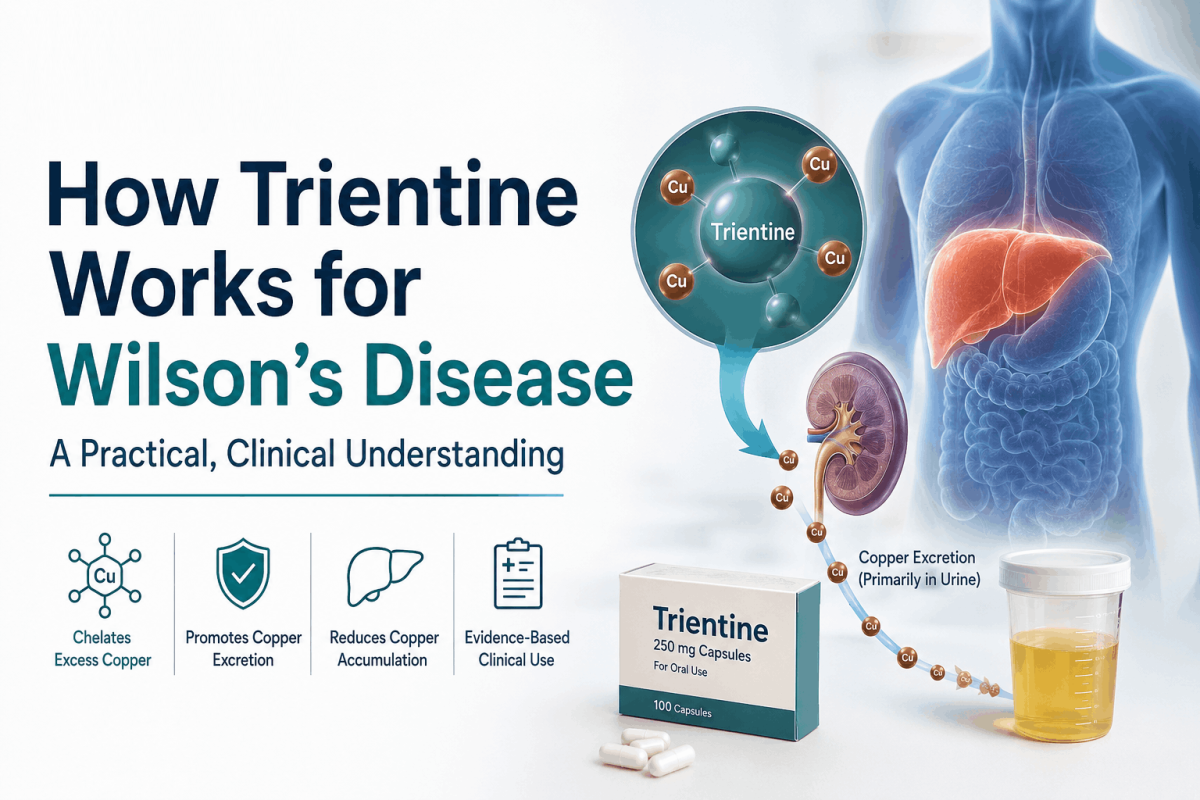
As an active copper chelator, Triokris works by binding excess copper ions in the body to promote their safe excretion via urinary pathways, restoring systemic elemental balance and preventing long-term vital organ degradation. It serves as a clinically verified alternative therapeutic line for patients who present intolerance, hypersensitivity, or resistance to traditional D-Penicillamine regimes.

About Ikris Pharma Network

How does Ikris Pharma Network distribute specialized medicines globally?

With operational headquarters in India and an established institutional infrastructure spanning Belgium, Hong Kong, and Bulgaria, Ikris Pharma Network Pvt. Ltd. stands as a premier global pharmaceutical facilitator. The company specializes fundamentally in Named Patient Import Programs, orphan drug access, and managed distribution systems for rare disease treatments.


Operating in full alignment with international healthcare regulations, Ikris Pharma Network serves an expansive distribution grid covering over 100 countries across Europe, Latin America, the Asia-Pacific region, Central/Southeast Asia, the Middle East, and Africa. The organization bridges critical supply shortfalls by coordinating bulk and single-patient delivery of scarce, specialized, and life-saving medicinal profiles in vital therapeutic landscapes—including Advanced Oncology, Nephrology, Hematology, Cardiology, and specialized infectious disease management.

Dosage and Administration

What is the recommended dosage protocol for Triokris 250 mg capsules?

The medical dosing of Triokris™ (Trientine Hydrochloride) must be precisely calibrated based on age: Adults (aged 13 years or older) typically initiate therapy at 750 mg to 1250 mg daily, divided across 2 to 4 administrations. Pediatric patients (aged 12 years or younger) typically initiate therapy at 500 mg to 750 mg daily in divided doses.

  • Maximum Daily Limits: Do not exceed 2000 mg/day for adult populations or 1500 mg/day for pediatric cohorts under 12.
  • Empty Stomach Fasting Requirements: Administer medication strictly 1 hour before a meal or 2 hours after food intake to optimize bio-absorption.
  • Interaction Buffering: Maintain at least a 1-hour operational gap before consuming any other therapeutic compounds, nutritional elements, or dairy/milk.
  • Structural Integrity: Capsules must be swallowed whole with water; do not break, chew, or open the shell matrix.
  • Chronological Consistency: Keep regular dosing intervals daily to lock down a steady systemic copper excretion equilibrium.

Safety Information

What are the side effects and drug interactions of Trientine Hydrochloride 250 mg?

Adverse Reactions

Adverse Reactions Overview

While clinical monitoring lines for Trientine 250 mg USP are tightly specialized, specific physiological responses have been characterized across international clinical observations and post-market tracking loops.

Adverse Reactions Reported in Clinical Studies

Clinical Trial Observations

Iron Deficiencies: Systemic binding can trigger lowered iron balances.
Systemic Lupus Erythematosus (SLE): Rare instance markers of autoimmune reactions have been tracked during treatment.

Adverse Reactions Reported in Marketed Use

Post-Marketing Tracked Reactions

Dystonic Events: Involuntary neuro-muscular contractions.
Muscle Spasms: Localized cramping arrays.
Myasthenia Gravis Manifestations: Induced neurological neuromuscular communication weaknesses.

Adverse Event Reporting

Pharmacovigilance Reporting Channels

If you record any adverse events or product deviations under a Triokris regime, communicate metrics to the Ikris Pharma Pharmacovigilance safety unit. Submissions maintain complete data confidentiality aligned with global statutory demands.

Drug Interactions

Contraindications & Drug Interactions

Mineral & Iron Co-administration: Avoid concurrent use; direct binding severely suppresses Trientine uptake.
Food and Dairy Clearance: Ensure an exact 1-hour clearing buffer to preserve compound efficacy profiles.

Nutritional Monitoring

Clinical Monitoring Protocols

Low-Copper Diets: Track a specialized dietary threshold beneath 1 mg/day.
Hematological Controls: Periodically audit serum iron pools, especially across pediatric, menstruating, or maternal patient groups.


Clinical Evidence and Efficacy Trial Data

What clinical trials prove the medical efficacy of Trientine Hydrochloride?

Trientine Hydrochloride 250 mg is a clinically validated, first-line alternative copper chelator for Wilson's Disease management, demonstrating robust efficacy profiles across both hepatic and neuro-symptomatic patient presentations.

  • Therapeutic Non-Inferiority: Comparative data establishes that Trientine matches the therapeutic efficacy of D-Penicillamine in stabilizing hepatic functions and preventing neurological deterioration.
  • The CHELAT Trial Data: Multi-center cohort validation in the landmark CHELAT study confirmed successful long-term copper homeostasis and maintenance when stable patients transitioned from penicillamine onto trientine regimes.
  • Enhanced Tolerability Metrics: Clinical observation demonstrates significantly lower medical discontinuation tracks under Trientine therapy (7.1%) compared to traditional D-Penicillamine regimes (28.8%), highlighting a superior safety and compliance curve.
Medical Reference Declaration: Therapeutic claims and statistical trial parameters stand in absolute objective tracking correlation with peer-reviewed clinical findings from the CHELAT international study guidelines and global health authorization metrics for copper chelation therapy.

Serious Warnings & Precautions

What clinical monitoring is required during Trientine Hydrochloride therapy?

  • Limited Clinical Experience: Patient exposure milestones with Trientine Hydrochloride remain specialized. Continuous clinical supervision by a qualified hepatologist or neurologist is mandatory to monitor systemic safety, treatment response, and underlying side effects.
  • Hypersensitivity & Respiratory Risks: While true clinical hypersensitivity is rare, asthma exacerbations, skin rashes, and respiratory issues have been documented in industrial exposure loops. Actively monitor patients for emerging allergic markers.
  • Accidental Topical Exposure: The chemical contents of the capsules can cause localized skin irritation. In the event of accidental capsule breakage or skin exposure to the powder matrix, wash the affected area immediately and thoroughly with running water.
  • Initial Treatment Phase Monitoring: During the critical first month of initiating therapy, patients must log their body temperature nightly. Instruct patients to report any sudden fever, unexplained rash, or skin eruptions to their healthcare provider immediately.
  • Serum Free Copper Monitoring Equation: The most definitive indicator of chelation efficacy is the non-ceruloplasmin-bound (free) copper concentration in the serum. It is calculated via the following diagnostic formula:
    Free Copper = Total Serum Copper – (Ceruloplasmin × 3)
    An adequately managed patient profile typically exhibits a free copper concentration below 10 mcg/dL (or 10 mcg/mL) in the serum.
  • Urinary Copper Excretion Audits: Complete a comprehensive 24-hour urinary copper excretion test every 6 to 12 months. Ensure urine collection uses certified copper-free glassware. Achieving a negative copper balance of 0.5 mg to 1.0 mg daily confirms therapeutic efficacy.
  • Iron Deficiency Interventions: If microcytic anemia or iron deficiency manifests, short-term iron supplementation may be introduced. Critical: Never administer iron supplements and Trientine simultaneously; they mutually chelate each other, preventing gastrointestinal absorption.

Global Access & Availability

How to source Trientine Hydrochloride 250 mg internationally from India

TRIOKRIS™ (Trientine Hydrochloride 250 mg) is manufactured to support international patient communities managing Wilson’s disease. We focus on bridging supply gaps in global territories where alternative copper chelators like penicillamine are unavailable or poorly tolerated by patients.

Utilizing established, highly regulated pharmaceutical export pathways out of India, we collaborate closely with authorized global medical stakeholders, ministries of health, and licensing partners to streamline patient care. For comprehensive logistics, registration details, and cross-border distribution models, read our dedicated technical breakdown on Trientine supply from India.

Our International Distribution Architecture Aligns With:

  • Official Named Patient Program (NPP) supply mechanisms for individual medical use.
  • Strict regulatory-compliant export documentation, including Certificate of Analysis (CoA).
  • Validated GDP (Good Distribution Practices) pharmaceutical cold-chain or ambient shipping loops.

Institutional Sourcing & Procurement Channels

We supply and support verified institutional buyers, international medical procurement teams, and healthcare providers ensuring long-term continuity of care.

Hospitals & Clinical Networks

Direct verification setup to support prescription continuity for patients with penicillamine intolerance.

Pharmaceutical Distributors

Bulk allocation protocols and regional shipping clearance management across compliant world destinations.

Importers & Brokers

End-to-end documentation handling, export invoicing, and rigorous customs optimization steps.

Require Verified Global Supply Support for Trientine?

Connect with our export division to receive compliance data, documentation requirements, or localized quotes.

Request Supply / Get Quote
⏱ Guaranteed 24-Hour Desk Response ✈ Priority Dispatch for Urgent Patient Needs 📄 Complete Export & Customs Documentation Support

Disclaimer: All product shipping actions are executed strictly under valid regulatory approval pathways, licensing protocols, and regional pharmaceutical verification guidelines.

Insights & Resources for Wilson’s Disease Care

Trusted articles, treatment insights, and healthcare updates focused on Wilson’s Disease management.

Frequently Asked Questions (FAQ)

Essential clinical and sourcing guidance regarding Trientine Hydrochloride 250 mg capsules

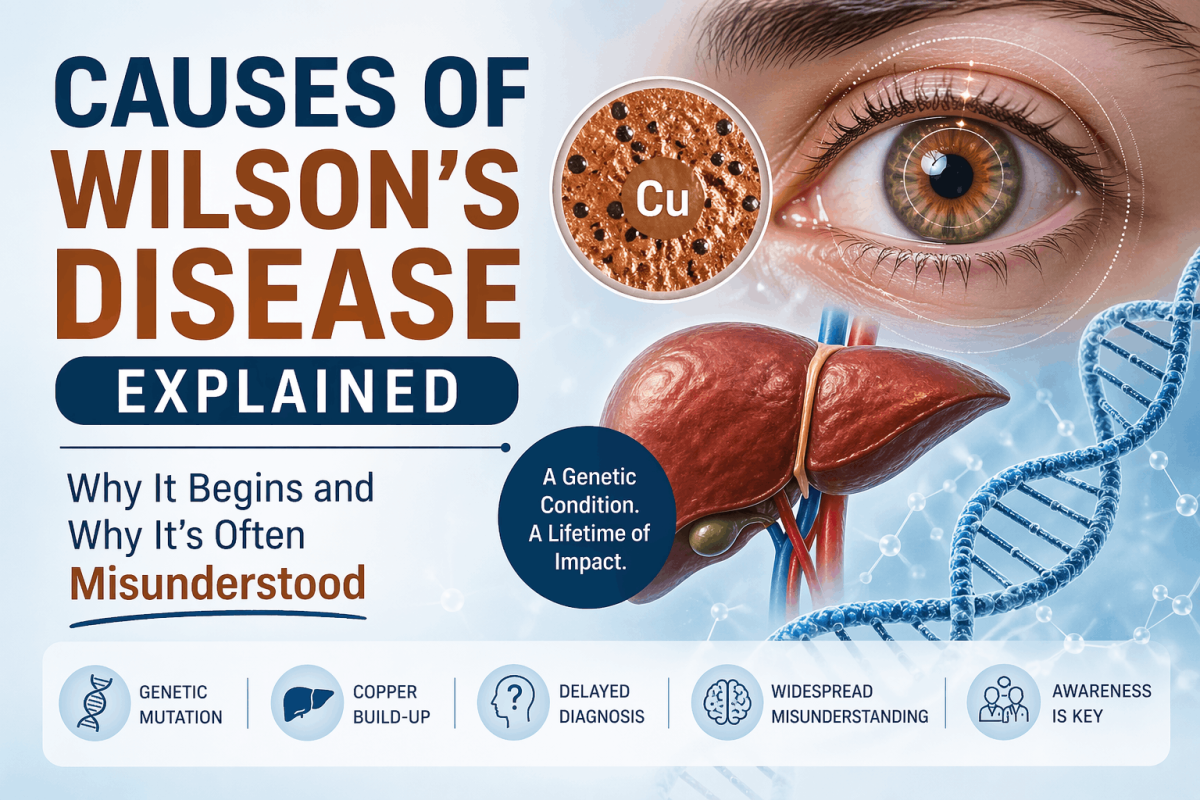
Wilson's Disease (hepatolenticular degeneration) is an inherited genetic disorder caused by mutations in the ATP7B gene, resulting in dangerous copper accumulation in the liver, brain, and ocular corneas. Trientine Hydrochloride, the active pharmaceutical ingredient in Triokris™, operates as an organic copper-chelating agent. It binds systemic copper pools into a soluble complex, allowing the body to clear excess copper naturally via urinary excretion to prevent progressive organ damage.

Institutional buyers, distributors, and licensed importers can legally source Trientine Hydrochloride 250 mg through the verified supply channels of Ikris Pharma Network. We coordinate dynamic procurement pipelines for global wholesalers, hospitals, pharmacies, government ministries, and international Named Patient Programs (NPP), maintaining complete documentation compliance and batch traceability.

Triokris initiates increased urinary copper excretion within the initial weeks of administration. However, noticeable normalization of tissue levels and reversal of clinical hepatic or neurological symptoms typically require several months of uninterrupted therapy. The speed of recovery depends heavily on your baseline organ copper burden and disease progression.

No, there is currently no permanent genetic cure for Wilson's disease. However, the condition is highly manageable with consistent, lifelong copper chelation therapy. Triokris prevents toxic copper re-accumulation, allowing patients to maintain stable organ function and a normal life expectancy.

Take the missed capsule as soon as you remember on an empty stomach. If it is almost time for your next regular dose, skip the missed interval entirely and return to your standard timeline. Never double the dose to compensate for a missed one, as this may cause acute gastrointestinal irritation or unintended mineral imbalances.

Yes, Trientine Hydrochloride is clinically approved for pediatric use. Dosing protocols for children aged 12 years or younger must be carefully calculated by a medical specialist based on clinical response and free serum copper evaluations, typically initiating between 500 mg and 750 mg daily in split doses.

To maximize therapeutic outcomes, patients should maintain a low-copper diet restricting intake to under 1 mg daily. Avoid high-copper foods such as shellfish, organ meats (liver), mushrooms, dark chocolate, gelatin, and whole nuts. Additionally, verify that your home domestic water supply is not delivered via unlined copper plumbing lines.

Trientine Hydrochloride should only be utilized during pregnancy under rigorous maternal-fetal specialist surveillance. Dosing adjustments are frequently necessary during gestation to protect fetal development while preventing maternal copper rebound. Because excretion profiles into breast milk remain unquantified, breastfeeding is generally not recommended during active therapy.

  • Trientine (Triokris): A highly selective chelator serving as the primary first-line alternative, offering equivalent copper-clearing efficacy to penicillamine but with a significantly lower rate of severe hypersensitivity or autoimmune side effects.
  • D-Penicillamine: A traditional first-line chelator that carries a high therapeutic discontinuation rate (up to 28.8%) due to adverse skin, renal, and neurological reactions.
  • Zinc Therapy: A maintenance compound that blocks dietary copper absorption in the intestines rather than actively drawing out pre-existing systemic organ accumulations.

Treatment for Wilson's disease is strictly lifelong. Abrupt cessation of copper chelation compounds will trigger rapid, severe copper rebound accumulation, potentially precipitating acute liver failure, fulminant hepatitis, or irreversible neurological decline.

Patients require routine diagnostic monitoring intervals (typically every 3 to 12 months) including: serum free copper tracking, 24-hour urinary copper excretion testing, complete blood counts (CBC) to monitor for iron deficiency, and full liver function panels (ALT/AST) to gauge hepatic stability.

Yes. Under careful specialist guidance, Triokris can be used alongside zinc maintenance therapy or antioxidant supplements like Vitamin E. However, separate their administration times by several hours to ensure the components do not bind and cancel each other out within the digestive tract.

Yes, absolutely. Because Wilson's disease is an autosomal recessive genetic trait, molecular screening for ATP7B mutations or baseline copper screenings are highly recommended for all first-degree relatives, particularly siblings, to identify and treat asymptomatic cases early.

Ikris Pharma Network Pvt. Ltd. is a leading authorized supplier and international exporter of Trientine Hydrochloride 250 mg out of India. Operating under strict GDP logistics protocols, we supply wholesale divisions, corporate hospital networks, humanitarian organizations, and individual patients globally via validated cold-chain or secure courier pathways.

Sourcing from a facility certified by stringent regulatory authorities like the US FDA or WHO-GMP guarantees absolute chemical purity, precise biological potency, and batch-to-batch consistency. This level of oversight ensures the chemical matrix is free from degradation byproducts or structural heavy metal contamination, which is vital for long-term patient survival.

WhatsApp Integration Desk